Growing a vegetable garden gives you fresh, healthy food and saves money. Start by choosing varities that thrive in your zone.
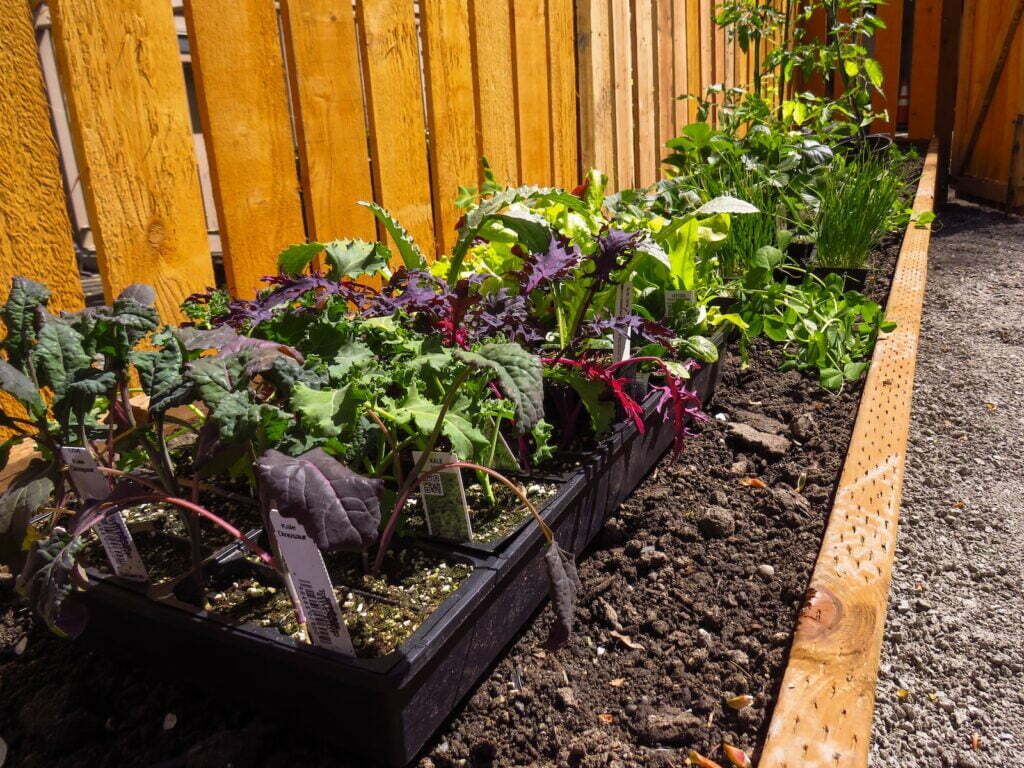
Vegetables need sunlight, water and good soil. Choose a site that drains well so the roots don’t stay wet. If your soil is rocky or clay, plant in raised beds.

A federal study found that 96.4 billion pounds of edible food is wasted by retailers, food service businesses and consumers annually, equating to about 122 pounds of food thrown out monthly by a family of four.
Of those 122 pounds, 24 pounds are fruits and vegetables.
Don’t be wasteful with your food!
The best way to keep food fresh is by storing it properly.
Keep tomatoes, unripe melons, pears, peaches and nectarines at room temperature for best flavor. They will ripen and become sweeter.
Once they have ripened or sliced store them in the refrigerator. As some fruit ripens it releases ethylene gas. This can cause some fruits and vegetables to ripen more quickly. It is a good idea to keep different fruit separate from one another to maintain freshness, as long as possible and avoid the ripening process taking place too quickly.
Berries last longer if kept refrigerated at or below 40 degrees.
They will also have better flavor if they are consumed within three days of purchase. Wash in cold, running water just before eating. Cherries can be handled in this same manner. Grapes will taste best within the first few days of purchase, but can be kept refrigerated up to two weeks. Citrus fruits, oranges, lemons and limes can be stored for a few weeks at room temperature, but last longer if stored in the refrigerator.
For vegetables, storage methods vary.
Vegetables do not improve in quality after harvest. Corn will taste best when eaten right away. Storing corn in the refrigerator for any length of time turns the naturally occurring sugar into starch.
Leafy greens should be refrigerated and eaten within two days. Green and yellow beans should be refrigerated and used within three to four days. Lettuce, broccoli, cauliflower and cucumbers need to be refrigerated and consumed within one week. Celery, cabbage and bell peppers can be kept one to two weeks. Onions, garlic, potatoes and winter squash will last several weeks in a cool, dry place.
Keep potatoes away from light to prevent greening on the skin. If kept in a cool, humid spot, they will easily remain good for up to a month.
For more information on storing vegetables, check out the publication “Home Vegetable Gardening in Kentucky” at http://www2.ca.uky.edu/agcomm/pubs/id/id128/id128.pdf. This guide goes into much more detail about long term storage.
Source: richmondregister.com