- Growing nutrient-rich hydrating vegetables
- Maximizing water content in homegrown fruits
- Seasonal planting for optimal hydration benefits
- Harvesting and storing water-rich produce
- Natural hydration versus commercial alternatives
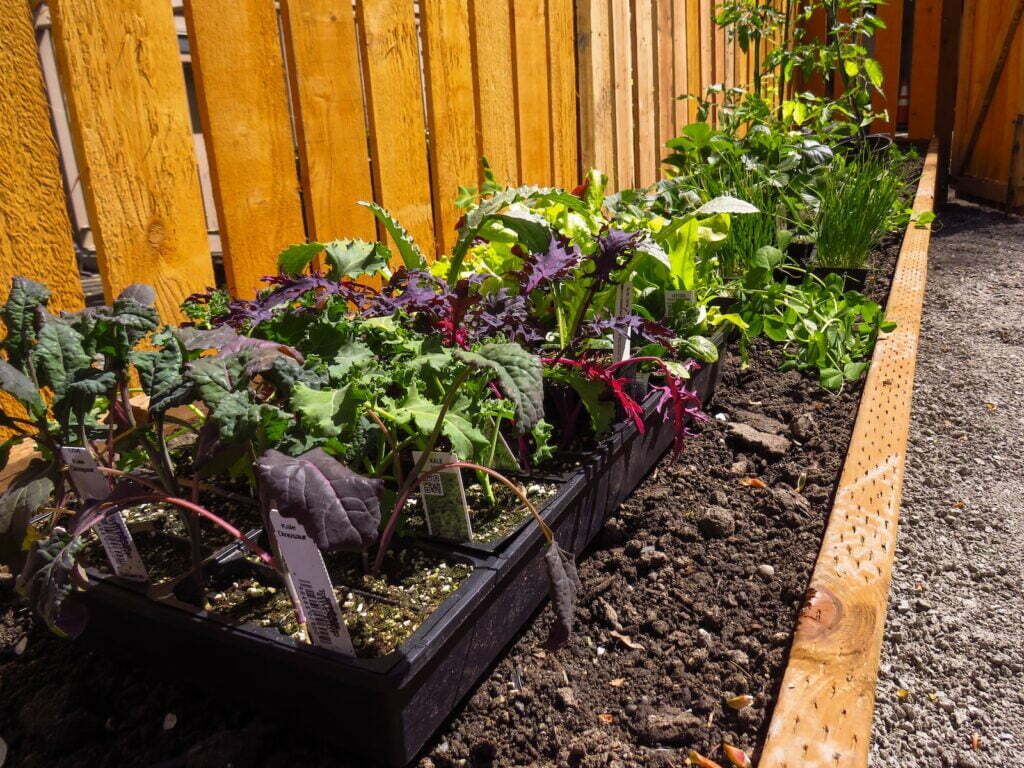
Let’s dive into growing some incredible hydration-packed vegetables right in your backyard! You might be surprised to learn that cucumber plants are absolute champions when it comes to water content, containing a whopping 96% water. They’re super easy to grow, especially when you give them a sturdy trellis and consistent watering.
Leafy greens are another fantastic choice for boosting your hydration naturally. Lettuce varieties like Butterhead and Romaine are not only water-rich but also packed with essential minerals that help your body retain moisture. To grow these successfully, focus on providing partial shade during intense summer heat and maintain even soil moisture.
Here’s a quick list of water-rich veggies you can easily grow:
- Celery (95% water) – needs rich soil and steady moisture
- Bell peppers (92% water) – thrives in full sun
- Zucchini (95% water) – gives abundant yields in small spaces
- Radishes (95% water) – perfect for beginners, ready in just 3-4 weeks
- Tomatoes (94% water) – choose indeterminate varieties for longer harvests
The key to growing these hydrating vegetables is maintaining consistent soil moisture without waterlogging. Adding a 2-3 inch layer of organic mulch around your plants helps retain moisture and keeps roots cool. For the best results, water deeply in the morning and focus on the root zone rather than spraying the leaves.
Remember that homegrown produce typically contains more water than store-bought alternatives because you can harvest it at peak ripeness. This means you’re not only getting better hydration but also maximum nutrient content. Consider companion planting herbs like basil and mint alongside your vegetables – they’ll help attract beneficial insects while providing additional hydrating options for your kitchen.
Maximizing water content in homegrown fruits
Cultivating fruits with maximum water content requires specific techniques and careful attention to growing conditions. By implementing proper irrigation strategies and soil management, homegrown produce can achieve optimal hydration levels that surpass commercially grown alternatives.
| Fruit | Water Content | Growing Requirements |
|---|---|---|
| Watermelon | 92% | Full sun, well-draining soil, consistent moisture |
| Strawberries | 91% | Partial shade, acidic soil, moderate watering |
| Cantaloupe | 90% | Full sun, rich soil, deep watering |
| Peaches | 89% | Full sun, well-draining soil, regular feeding |
Maintaining consistent soil moisture is crucial for developing fruits with high water content. Installing a drip irrigation system ensures steady water delivery directly to the root zone, while mulching with organic materials helps retain moisture and regulate soil temperature. For optimal hydration levels, water deeply in the early morning or late evening when evaporation rates are lowest.
Proper spacing between plants promotes better air circulation and reduces competition for water resources. Pruning excess foliage directs more energy and moisture to fruit development, resulting in juicier, more hydrating produce. Regular soil testing and amendments with organic matter improve water retention capacity and nutrient availability.
Training climbing fruits like grapes and kiwis on sturdy supports maximizes sun exposure while making efficient use of garden space. These vining fruits benefit from strategic pruning to concentrate resources in fewer, larger fruits with higher water content. For bush fruits like blueberries, maintaining proper soil pH and consistent moisture through the growing season ensures plump, hydrating berries.
Time-release watering techniques, such as ollas or self-watering containers, provide steady moisture that helps fruits develop optimal water content. These methods are particularly effective for container-grown fruits, where moisture management is critical for producing hydrating homegrown produce.
Seasonal planting for optimal hydration benefits

Planning your garden according to the seasons is crucial for maintaining a steady supply of hydrating produce throughout the year. During spring, focus on moisture-loving crops like lettuce, peas, and early radishes that thrive in cooler temperatures and natural rainfall. These early-season vegetables pack a powerful hydration punch when our bodies are transitioning from winter to warmer weather.
Summer brings endless possibilities for water-rich crops. Plant heat-loving vegetables like tomatoes and cucumbers in late spring for mid-summer harvests. Stagger your plantings every two weeks to ensure continuous yields. Remember to time your watermelon and cantaloupe plantings so they’ll reach peak ripeness during the hottest months when your body needs extra hydration the most.
For fall gardens, consider these hydrating options:
- Asian pears (88% water) – plant bare-root trees in early spring
- Fall raspberries (87% water) – plant in late summer for autumn harvest
- Late-season melons – start seeds 12 weeks before first frost
- Second crops of leafy greens – plant in partial shade for protection
Even winter doesn’t mean giving up on homegrown produce with high water content. Cold frames and greenhouses can protect water-rich vegetables like spinach and kale throughout the coldest months. These hardy greens actually become sweeter after frost, while maintaining their impressive hydration benefits.
Don’t forget to plan your herb garden with hydration in mind. Mint, lemon balm, and other moisture-rich herbs can be planted strategically throughout the growing season for continuous harvests. These make excellent additions to water infusions, providing both flavor and health benefits year-round.
By aligning your planting schedule with natural rainfall patterns, you’ll reduce the need for supplemental watering while maximizing the water content of your crops. This thoughtful approach to seasonal planting ensures you’ll always have hydrating, nutrient-dense homegrown produce at your fingertips.
Harvesting and storing water-rich produce
Timing your harvest correctly and implementing proper storage techniques are crucial for maintaining the high water content of your homegrown produce. The moment of harvest significantly impacts the hydration levels and nutritional value of fruits and vegetables.
“The water content of freshly harvested produce can be up to 30% higher than items that have been stored for several days.” – Dr. Sarah Mitchell, Agricultural Research Institute
Here’s the optimal process for harvesting and storing water-rich produce:
- Harvest early in the morning when plants are naturally at their peak hydration
- Handle produce gently to prevent bruising and moisture loss
- Remove any damaged or diseased portions immediately
- Clean items carefully without soaking them
- Allow surface moisture to dry before storage
- Store at appropriate temperatures based on produce type
Different types of homegrown produce require specific storage conditions to maintain their water content. Leafy greens stay crisp when wrapped in slightly damp paper towels and stored in perforated plastic bags in the crisper drawer. Fruits like tomatoes and peaches retain optimal hydration when kept at room temperature until fully ripe, then transferred to the refrigerator. Root vegetables maintain their moisture best in a cool, dark environment with high humidity, such as a root cellar or the refrigerator’s crisper drawer.
For extended storage of water-rich produce, consider these humidity-controlled storage zones:
High humidity (95%): leafy greens, celery, cucumbers
Medium humidity (85-90%): peppers, summer squash, eggplants
Lower humidity (65-75%): onions, garlic, winter squash
Remember to check stored produce regularly and remove any items showing signs of deterioration, as they can affect the hydration levels of surrounding produce. For maximum health benefits, consume water-rich vegetables and fruits within their optimal storage window, when their hydration-supporting properties are at their peak.
Natural hydration versus commercial alternatives
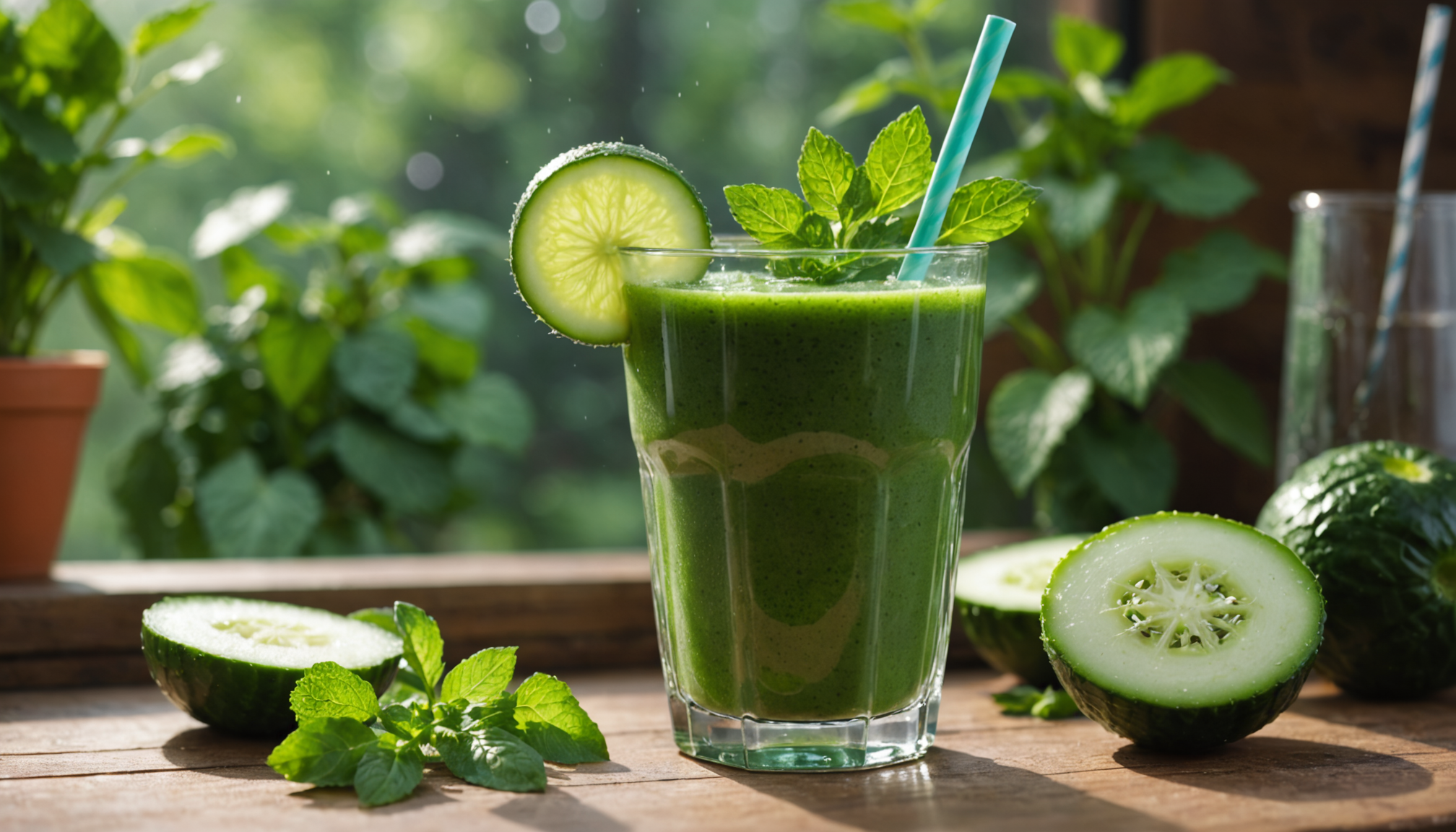 Imagine sipping on a refreshing glass of water-rich smoothie made entirely from your garden’s bounty. While commercial beverages promise instant hydration through artificially enhanced drinks, nature provides a superior solution right in your backyard. Homegrown produce offers unparalleled hydration benefits, delivering water in its most bioavailable form, complete with naturally occurring electrolytes and minerals.
Consider the remarkable difference in water absorption rates: store-bought produce often loses significant moisture during transportation and storage, while garden-fresh vegetables and fruits retain their natural water content. A homegrown cucumber provides nearly 50% more readily available water than its commercial counterpart, alongside essential nutrients that enhance the body’s hydration process.
Your garden’s offerings come with no artificial sweeteners, preservatives, or added colors. Instead of reaching for a sports drink containing synthetic electrolytes, you can blend fresh celery, cucumber, and mint from your garden for a naturally hydrating beverage. These plants contain potassium, magnesium, and sodium in perfect proportions, supporting optimal cellular hydration.
Fresh-picked watermelon delivers 92% water content plus natural L-citrulline, which aids in hydration efficiency. Compare this to processed fruit juices that often contain added sugars and minimal fiber. The fiber in homegrown produce helps your body retain water longer, providing sustained hydration throughout the day.
Garden-to-glass beverages create a direct connection between you and your hydration source. Herbs like lemon balm, mint, and basil can be muddled into water or tea, providing both flavor and therapeutic benefits. These natural infusions work in harmony with your body’s hydration needs, unlike commercial alternatives that may actually increase dehydration due to their high sugar content or artificial ingredients.
Create your own hydration station by growing water-rich plants strategically throughout your garden. This ensures a constant supply of natural hydration sources while eliminating packaging waste and reducing your environmental impact. The investment in growing your own hydrating produce pays dividends in both health benefits and sustainable living practices.