The Playbook › Gardening For Fitness
Gardening After 50: How to Start Comfortably
 ·
Updated November 28, 2026
Maybe you’ve always meant to grow your own tomatoes. Maybe you gardened years ago and want to get back into it. Or maybe you’re looking for a reason to get outside and move more that doesn’t involve a gym. Whatever brought you here, it’s not too late to start, and you don’t need a big backyard, expensive equipment, or a lot of experience.
What you do need is a garden that fits you. This guide is about setting things up so gardening stays enjoyable, season after season.
A note on health: If you have a heart or lung condition, joint problems, balance concerns, or any condition that limits your activity, check with your doctor about which tasks are right for you. Stop if you feel pain, dizziness, unusual breathlessness, or unwell.
Why gardening is worth starting now
Gardening gives you a reason to be outside and moving on a regular basis, and something useful to show for it. You plan, you plant, you look after something, and if things go well, you eat what you grew.
It can also add to your everyday activity. The CDC recommends that adults, including older adults, aim for at least 150 minutes a week of moderate-intensity activity, plus muscle-strengthening activities on two or more days. Adults 65 and over are also encouraged to do activities that improve balance. Some gardening tasks, like digging, raking, or carrying, can be moderate effort for many people. Others are gentler.
Gardening won’t replace every kind of exercise, and how much effort a task takes varies from person to person. Think of it as one enjoyable way to keep moving, not a complete program.
Step 1: Start smaller than you think
The most common beginner mistake at any age is starting too big. A large plot looks great in April and becomes a chore by July.
Good first gardens include:
- Two or three large containers on a patio or balcony, with herbs, lettuce and a cherry tomato.
- One raised bed, about 4 by 4 feet, or 4 by 8 if you have more time.
- A salad table, a shallow growing tray on legs at a comfortable height.
You can always expand next year. A small garden that you enjoy is better than a big one you dread.
Step 2: Bring the garden up to you
Height is one of the easiest ways to make gardening more comfortable.
- Raised beds reduce how far you need to bend. Taller beds, around 24 to 30 inches, can let you work while sitting on the edge or on a stool.
- Containers on stands or tables put plants at waist height.
- Vertical growing, like trellised beans, cucumbers or tomatoes, means more of your harvest is at standing height.
Leave enough space between beds for steady footing, and a wheelbarrow or garden cart if you use one.
Step 3: Choose tools that save effort
You don’t need a shed full of tools. A few good ones go a long way:
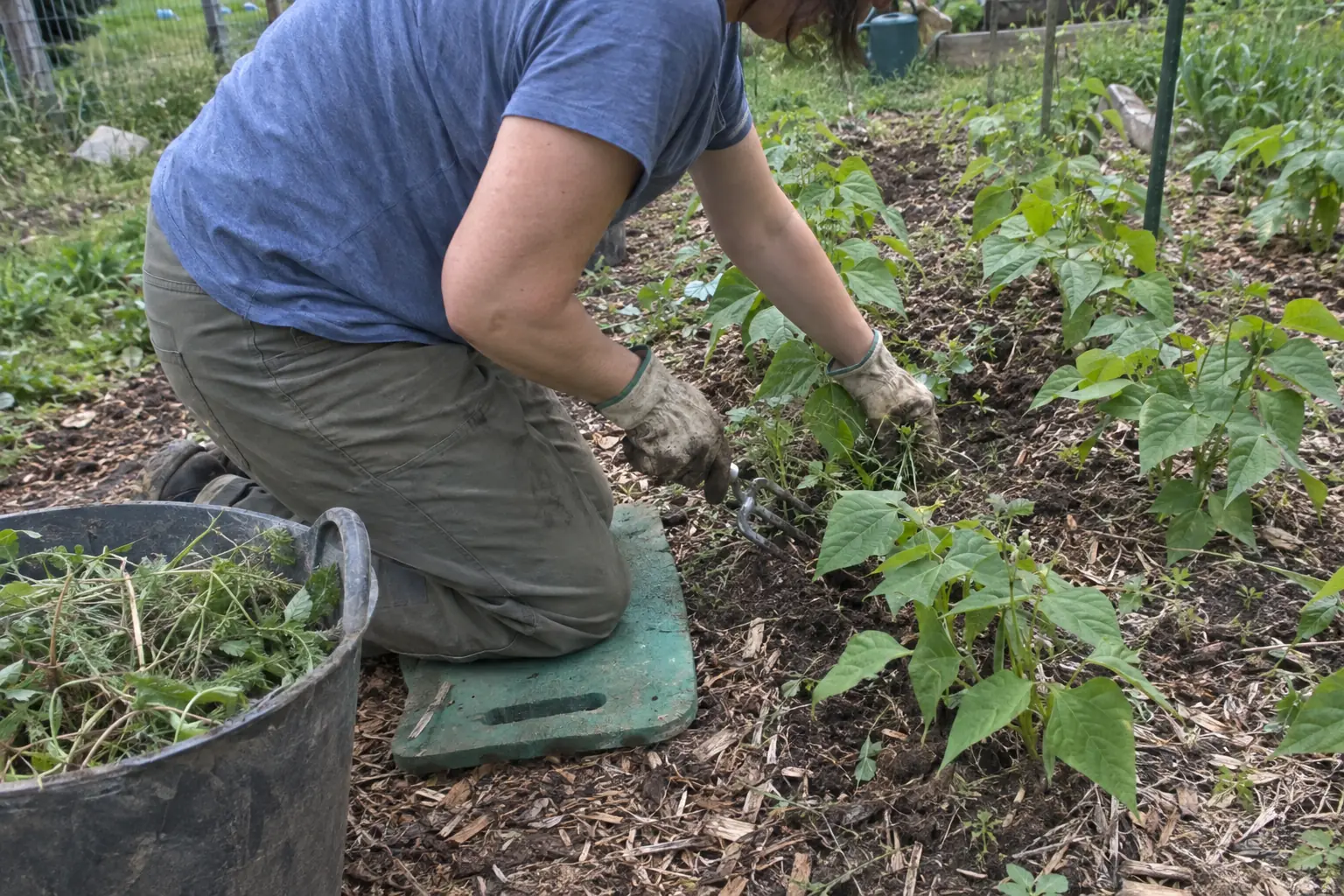
- A kneeling pad or kneeler with handles to help you get up and down.
- Ergonomic hand tools with thicker, padded grips.
- A long-handled weeder for reaching without bending.
- A lightweight hose or a watering can you can comfortably carry half-full.
- A garden stool or seat for slow jobs like sowing and harvesting.
Keep tools close to where you use them, so you aren’t making extra trips.
Step 4: Plan short, varied sessions
Instead of spending a whole morning on one job, try 30 to 45 minutes broken into short blocks:
- A few minutes walking around the garden to see what needs doing.
- 10 to 15 minutes of one task, like weeding while kneeling.
- 10 to 15 minutes of something different, like watering while walking.
- A seated job, like harvesting or potting.
- A drink of water and a slow walk to finish.
Changing tasks and positions helps you avoid the stiffness that comes from repeating one motion. See Six back-friendly gardening moves for positions that make bending, kneeling and lifting easier.
Step 5: Garden safely in every season
- Heat: Garden in the morning or evening, wear a hat and sunscreen, take shade breaks, and drink water. Some medications affect how your body handles heat, so ask your doctor or pharmacist if you’re not sure.
- Footing: Wear supportive shoes with good grip. Keep paths clear of hoses, tools and wet leaves.
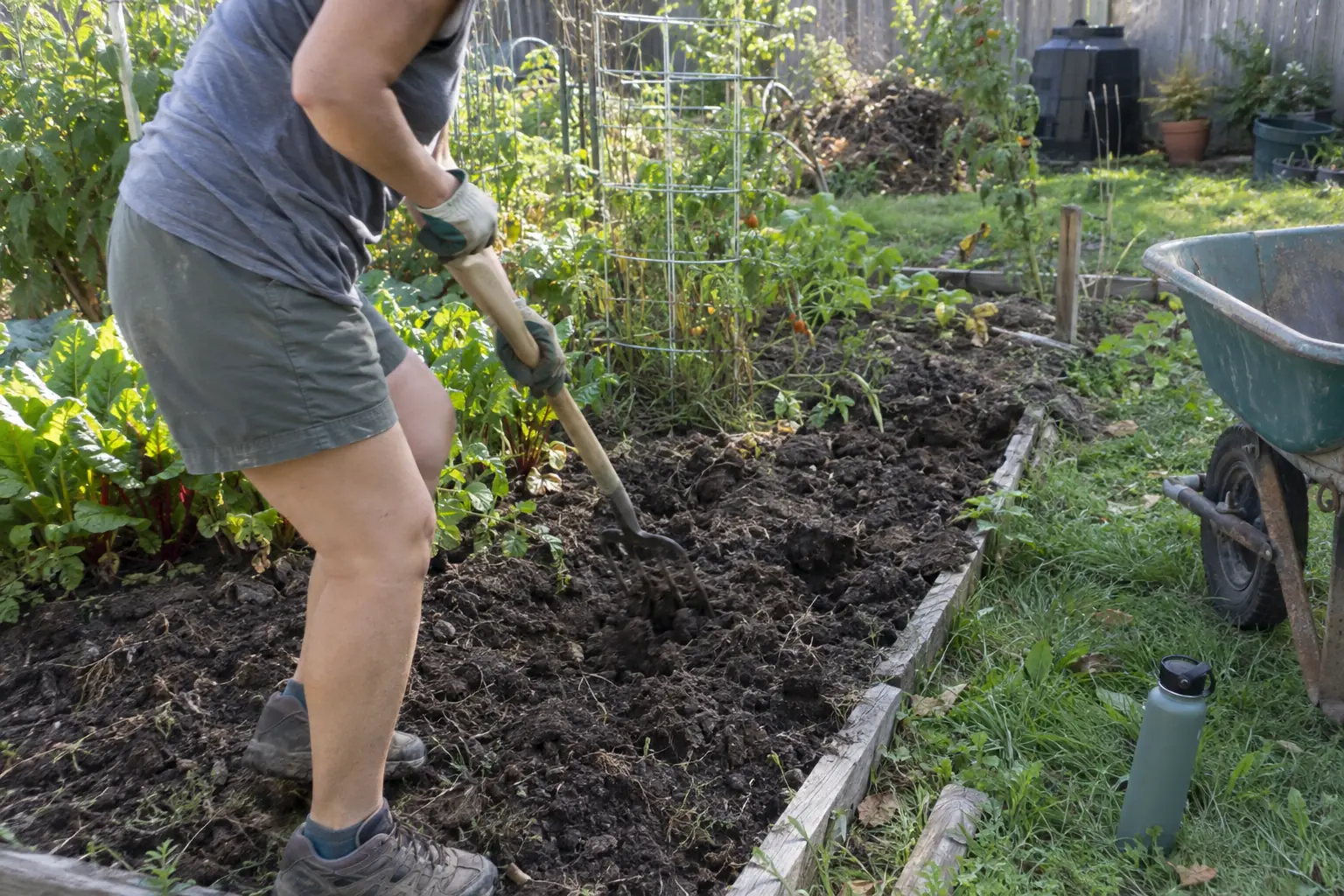
- Lifting: Split heavy loads, use a cart, and ask for help with large bags or pots.
- Soil: If you’re planting in the ground in an older neighborhood or near an old building, ask your local extension office about soil testing. Containers filled with fresh potting mix are a simple alternative.
- Food safety: Rinse your harvest under running water before eating, and wash your hands after gardening.
Step 6: Pick easy, rewarding crops
Choose plants that are forgiving and that you actually like to eat:
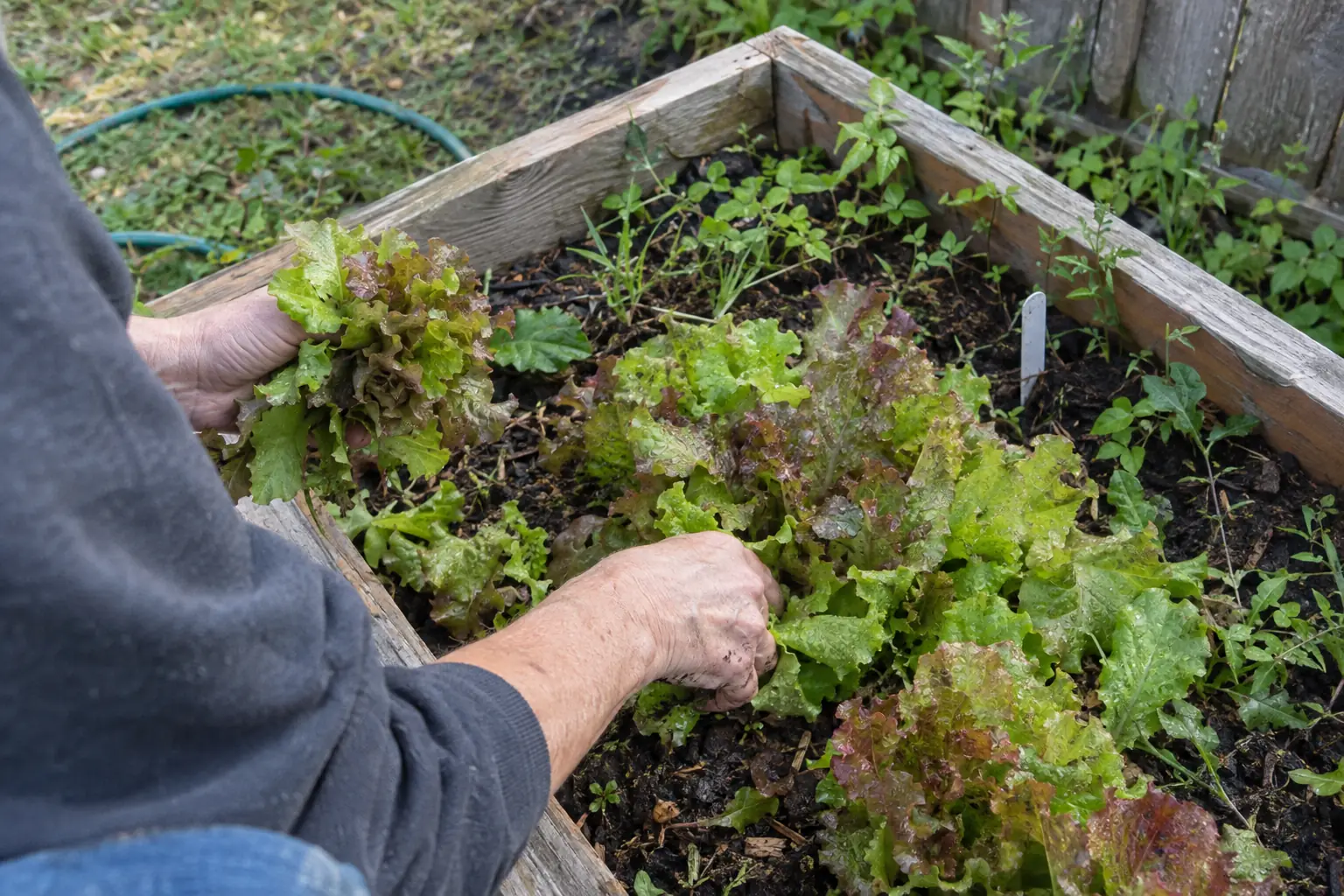
- Lettuce and salad greens: quick, compact and easy to pick from a seat.
- Herbs: basil, parsley, chives, and mint (keep mint in its own pot).
- Bush beans: no staking, and a good harvest for the space.
- Cherry tomatoes: productive in a large container with a sturdy cage.
- Radishes: fast to grow, and nice for a quick win.
Planting times depend on where you live. Your local university extension office is the best place to check what to plant and when.
Your first month
You don’t have to wait for planting season. Here’s a simple four-week start:
- Week 1: Choose your spot. Watch where the sun falls and check that water is close by.
- Week 2: Decide on containers or a raised bed. Set a budget and make a short supplies list.
- Week 3: Set up your growing area, or if it’s not the season yet, plan your layout on paper.
- Week 4: Plant if conditions are right in your area, or pick your seeds and mark your planting dates on a calendar.
Our free 30-Day Starter Guide walks you through this step by step, with seated and standing options for each task.
This article is general education, not medical advice. Talk with your doctor or another qualified professional about the type and amount of activity that’s right for you.
Sources
- CDC. Adult Activity: An Overview.
- CDC. Older Adult Activity: An Overview.
- CDC. What Counts as Physical Activity for Older Adults.
- CDC. About Heat and Your Health.
- EPA. Healthy Gardening Practices to Reduce Exposure to Lead-Contaminated Soil.
- FDA. Selecting and Serving Produce Safely.
- University of Maryland Extension. Growing Vegetables in Containers and Salad Tables.