- Growing conditions for nutrient-rich greens
- Vitamin-packed leafy greens to cultivate
- Harvesting techniques for maximum nutrition
- Storage methods to preserve vitamins
- Cooking tips to retain nutritional value
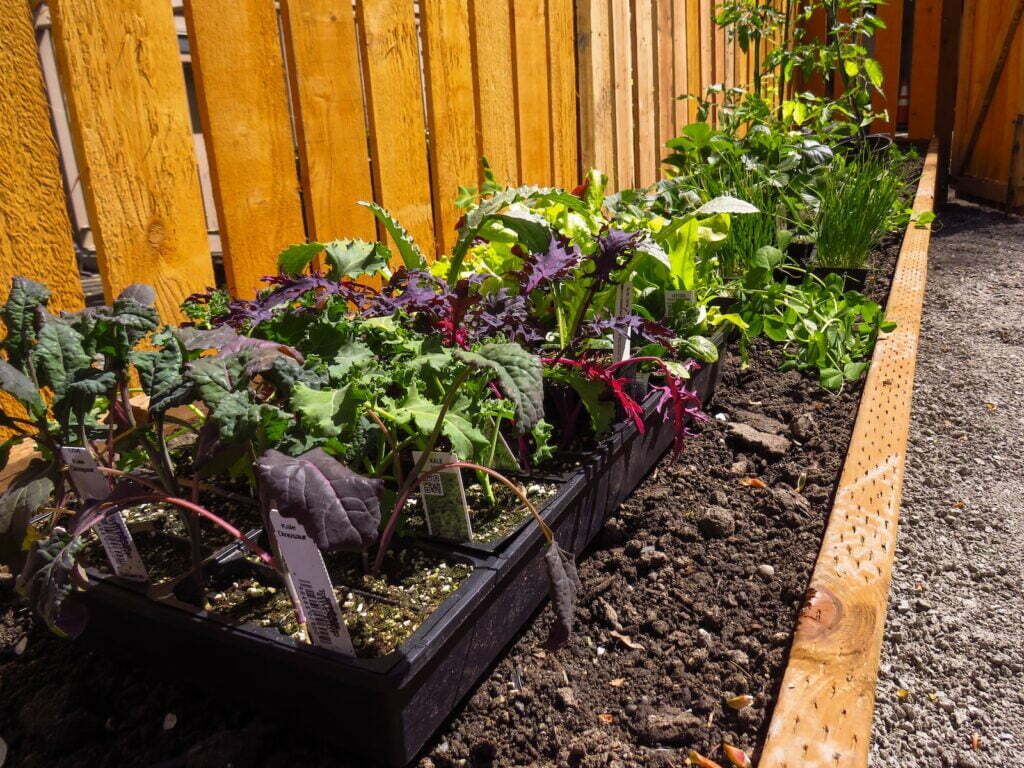
Let’s dive into creating the perfect environment for your nutrient-packed garden! The key to vitamin-rich greens starts with healthy soil. A pH level between 6.0 and 7.0 creates the sweet spot for most leafy vegetables to absorb essential nutrients. Mix in plenty of organic compost – about 2-3 inches worked into your top soil – to ensure your plants have access to all the good stuff they need to become nutritional powerhouses.
Your home-grown greens will thrive with consistent moisture, but be careful not to overwater. A good rule of thumb is to keep the soil as moist as a wrung-out sponge. Installing a drip irrigation system can help maintain ideal moisture levels without creating soggy conditions that could lead to root rot.
Most leafy greens prefer partial shade, especially in warmer climates. Morning sun with afternoon shade works wonderfully, protecting tender leaves from harsh afternoon rays that could decrease their vitamin content. If you’re growing indoors, position your plants near a north or east-facing window, or use grow lights for 12-14 hours daily.
Temperature control plays a crucial role in maximizing nutrient density. Most greens prefer cooler weather, around 60-65°F (15-18°C). During warmer months, use shade cloth or plant taller companions like sunflowers or trellised beans to provide natural shade. Remember, stressed plants produce fewer vitamins, so maintaining optimal growing conditions is essential for maximum vitamin intake.
Regular feeding with organic fertilizers enriches your soil and boosts nutrient levels in your plants. A balanced mix of nitrogen, phosphorus, and potassium, along with trace minerals, helps develop robust, vitamin-packed leaves. Apply a thin layer of compost tea or seaweed fertilizer every two weeks during the growing season.
Vitamin-packed leafy greens to cultivate
Selecting the right varieties of leafy greens for your home garden can significantly boost your vitamin intake throughout the year. Kale leads the pack as a nutritional powerhouse, particularly the Lacinato and Red Russian varieties, which contain exceptional levels of vitamins A, C, and K. These hardy plants can be grown year-round in many climates, making them perfect for consistent nutrient access.
| Leafy Green | Key Vitamins | Growing Season | Days to Harvest |
|---|---|---|---|
| Spinach | A, C, K, B9 | Spring/Fall | 30-45 |
| Swiss Chard | A, C, K, E | Year-round | 50-60 |
| Mustard Greens | A, C, K, E | Spring/Fall | 40-50 |
| Collard Greens | A, C, K, B9 | Year-round | 60-75 |
Home-grown microgreens offer concentrated nutrition in a small space. These nutrient-dense seedlings contain up to 40 times more vitamins than their mature counterparts. Popular varieties include red cabbage, amaranth, and sunflower microgreens, which can be harvested within 7-14 days of planting.
Arugula and watercress add peppery flavor while delivering impressive nutritional benefits. These fast-growing greens are rich in glucosinolates, compounds that support immune function. For indoor gardens, leaf lettuce varieties like Red Sails and Buttercrunch provide steady vitamin C and beta-carotene sources year-round.
Consider companion planting with herbs like basil and cilantro, which not only enhance your garden’s diversity but also offer additional nutritional benefits. Mixing different greens ensures a varied nutrient profile and extends your harvest season. Dark, leafy varieties generally contain more vitamins than lighter-colored ones, so prioritize these in your garden planning.
For maximum vitamin diversity, maintain a rotating selection of at least four different greens throughout the growing season. This approach ensures consistent access to various nutrients while protecting against potential crop failures or seasonal changes.
Harvesting techniques for maximum nutrition
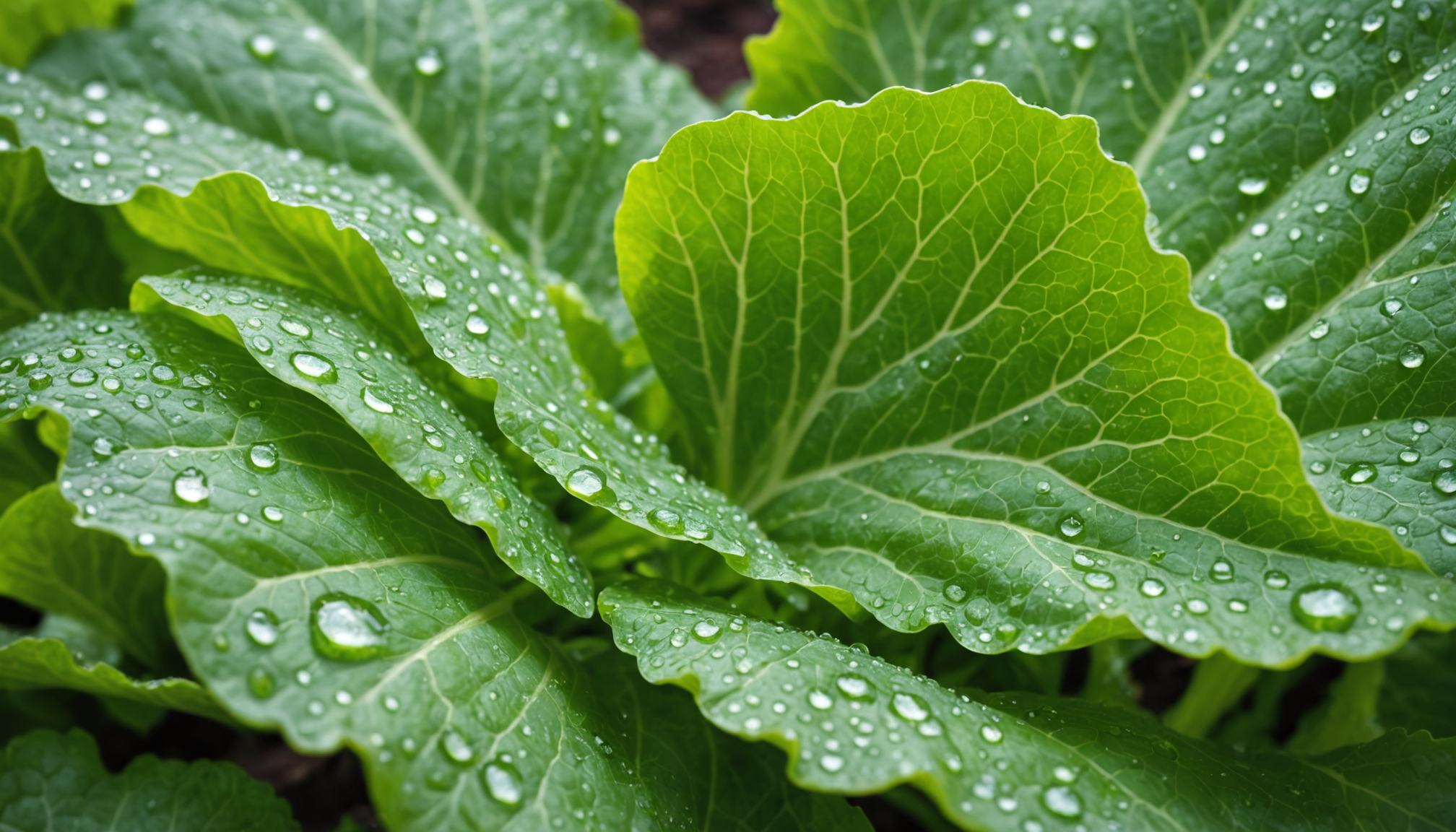
Timing is everything when it comes to harvesting your home-grown greens for maximum vitamin intake. The best time to harvest is early morning, just after the dew has dried but before the day heats up. This is when leaves contain the highest concentration of vitamins and are at their crispest. Avoid harvesting during the heat of the day, as this can lead to wilted leaves and reduced nutrient content.
For leafy greens like lettuce, kale, and spinach, use the “cut-and-come-again” method. Snip outer leaves about two inches above the growing point, allowing the center to continue producing new leaves. This technique not only extends your harvest but also ensures you’re getting the most nutritious, young leaves throughout the season.
Handle your freshly harvested greens with care to preserve their vitamin content. Use clean, sharp scissors or pruning shears to make clean cuts – this prevents bruising and tissue damage that can lead to nutrient loss. If you notice any yellowing or damaged leaves, remove them promptly as they can drain nutrients from healthier growth.
When harvesting microgreens, wait until they’ve developed their first true leaves for optimal nutrient density. Cut them just above the soil line using clean scissors, and harvest only what you plan to use within a day or two. For larger greens like collards or Swiss chard, choose leaves that are fully developed but still young and tender – these contain the highest concentration of vitamins.
Consider implementing succession planting and harvesting schedules. By planting new batches every two weeks, you’ll ensure a continuous supply of vitamin-rich greens at their peak nutritional value. Remember to clean your harvesting tools between uses to prevent the spread of diseases that could affect plant health and nutrient content.
Storage methods to preserve vitamins
Proper storage of home-grown greens is crucial for maintaining their vitamin content and extending their usability. Create a storage environment that mimics optimal growing conditions – cool and slightly humid – to preserve those precious nutrients you’ve worked so hard to cultivate.
“Fresh vegetables stored at room temperature can lose up to 40% of their vitamin C content within 24 hours of harvest, while properly refrigerated produce maintains up to 90% of its nutritional value.” – Journal of Agricultural and Food Chemistry
- Pre-Storage Preparation:
- Gently wash greens in cold water
- Spin or pat dry thoroughly
- Remove any damaged leaves
- Wrap loosely in paper towels
- Storage Methods by Green Type:
- Lettuce and spinach: Store in sealed containers with paper towels
- Kale and collards: Stand upright in containers with water
- Microgreens: Keep in original growing containers until use
- Herbs: Place stems in water and cover with plastic
- Temperature Guidelines:
- Maintain 35-40°F (1-4°C)
- Use crisper drawer settings when available
- Check temperature regularly
For maximum vitamin retention in your home-grown greens, consider vacuum sealing portions you won’t use within a week. This method can extend storage life by up to two weeks while preserving nutritional content. Store dark leafy greens in transparent containers – this allows you to monitor freshness while protecting them from excessive light exposure that can degrade vitamins.
Many vitamin-rich greens can be frozen for long-term storage. Blanch them briefly in boiling water, shock in ice water, then freeze in portioned bags with air removed. While some texture changes occur, most nutrients remain intact for up to six months. Label containers with harvest dates and rotate stock to ensure you’re always using the freshest produce available.
Cooking tips to retain nutritional value
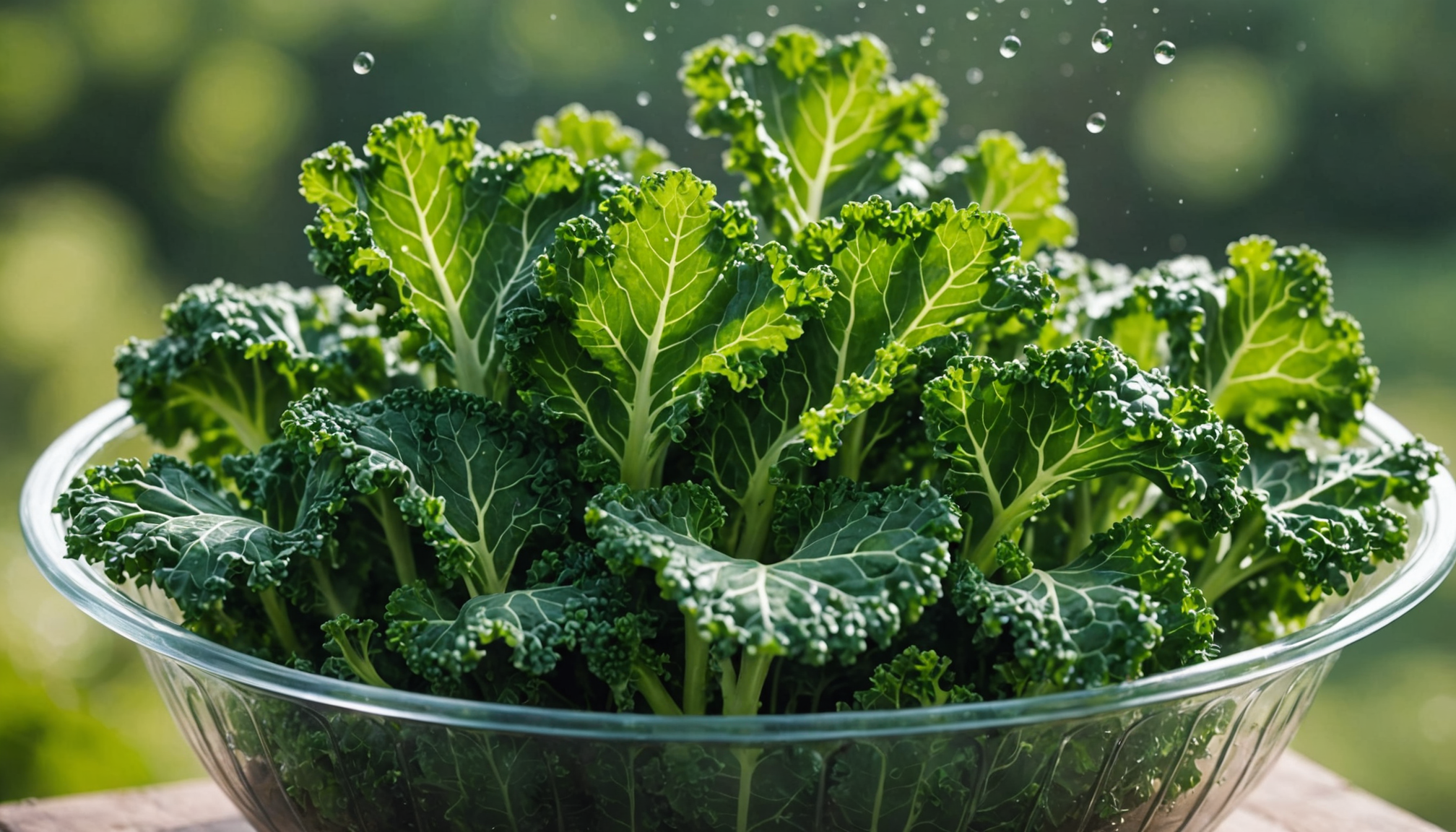 Transform your vitamin-rich home-grown greens into nutritious meals by employing smart cooking techniques that preserve their valuable nutrients. Steam cooking stands out as the champion method, requiring just 3-5 minutes to retain up to 90% of water-soluble vitamins. Use a steamer basket with minimal water, and keep the lid on to prevent vitamin loss through escaping steam.
Quick stir-frying in a hot pan with a small amount of healthy oil maintains both nutrients and flavor. Keep cooking time under 5 minutes, stirring continuously to ensure even heating without overcooking. Add garlic or ginger at the end to enhance both taste and nutritional benefits.
When blanching your home-grown greens, plunge them briefly into boiling water for no more than 2 minutes, then immediately transfer to an ice bath. This method helps retain the bright color while preserving vitamin content. Save the nutrient-rich blanching water for soups or sauces.
Consider eating some greens raw in salads or smoothies for maximum vitamin intake. Massage tougher greens like kale with a bit of olive oil and lemon juice to break down the fibers while maintaining their nutritional integrity. For cooked dishes, add hardier greens like collards or Swiss chard during the last few minutes of cooking to preserve their vitamins.
Avoid these common mistakes that decrease nutritional value: boiling greens for extended periods, overcooking until leaves turn dark or mushy, and reheating multiple times. Instead, prepare smaller portions and cook them fresh when needed. Use the lid on your pan to create steam, reducing cooking time and preserving water-soluble vitamins.
Combine your greens with healthy fats like olive oil, avocado, or nuts to enhance the absorption of fat-soluble vitamins A, E, and K. Add a splash of citrus juice just before serving – the vitamin C helps your body absorb iron from the greens more effectively.