- Starting your vegetable garden
- Physical benefits of gardening
- Mental wellness and mindful growing
- Nutrition from homegrown produce
- Sustainable living through vegetable cultivation
Getting started with your own vegetable garden is easier than you might think, and it’s the perfect first step toward personal wellness through growing your own food. Begin by choosing a sunny spot in your yard – most veggies need at least 6 hours of direct sunlight daily. If you’re working with a small space, don’t worry! Even a few containers on a patio can yield impressive results.
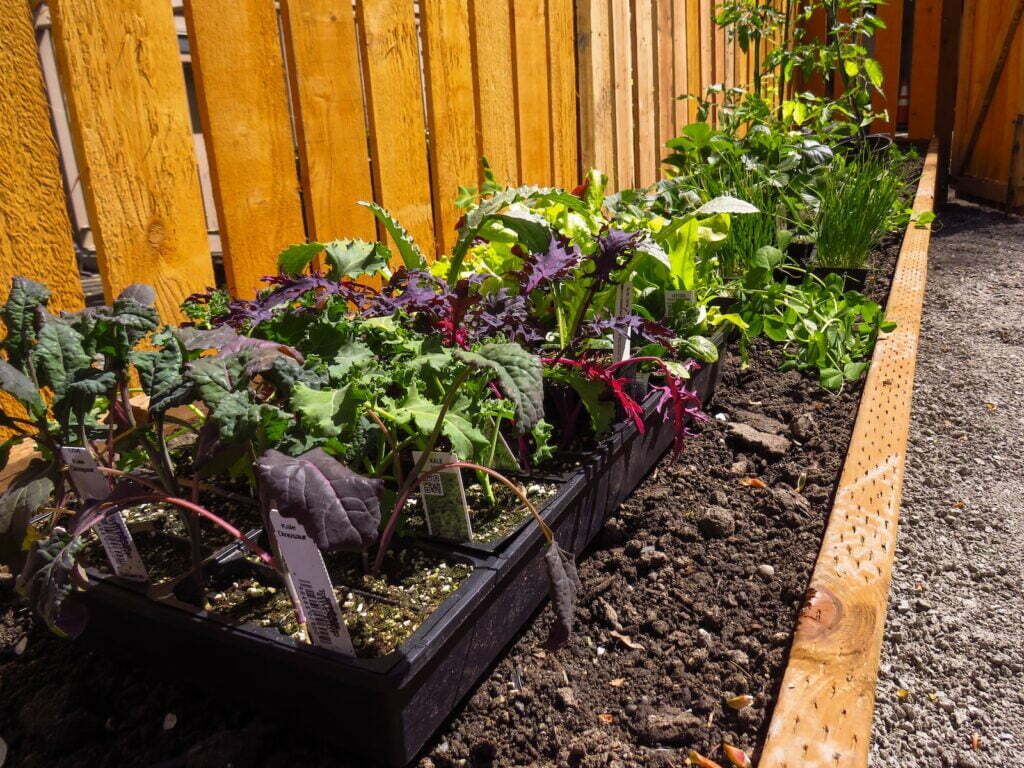
Start small with a 4×8 foot raised bed or a few containers. This manageable size helps prevent overwhelming yourself while learning the basics of cultivation. Pick up some quality garden soil mixed with compost – this blend provides the nutrients your plants need to thrive.
Choose 3-4 vegetables that you love to eat and are relatively easy to grow. Tomatoes, lettuce, bush beans, and peppers are fantastic for beginners. Here’s a pro tip: plant herbs like basil and oregano between your vegetables – they’re nearly foolproof and add amazing flavor to your meals.
Your garden needs consistent watering, especially during the first few weeks after planting. Install a simple drip irrigation system or remember to water deeply every morning. Mulch around your plants with straw or wood chips to retain moisture and prevent weeds from taking over.
Keep a garden journal to track what works and what doesn’t. Note when you plant, water, and harvest. This information becomes invaluable as you expand your garden in future seasons. Remember, every gardener started somewhere, and those “mistakes” you might make are actually valuable learning opportunities.
Physical benefits of gardening
Engaging in vegetable cultivation offers remarkable physical benefits that contribute significantly to personal wellness. The act of gardening provides a full-body workout that strengthens muscles, improves flexibility, and enhances cardiovascular health. Regular gardening activities can burn between 200-400 calories per hour, making it an effective form of exercise that doesn’t feel like traditional workout routines.
The physical demands of gardening engage multiple muscle groups simultaneously. Digging, planting, and weeding strengthen your arms, shoulders, and back, while squatting to tend to plants works your legs and core. These movements improve balance and coordination, particularly beneficial for older adults maintaining their physical fitness.
| Gardening Activity | Calories Burned/Hour | Primary Muscles Worked |
|---|---|---|
| Digging and Tilling | 350-400 | Arms, shoulders, back, core |
| Weeding | 200-300 | Core, legs, arms |
| Planting | 200-250 | Legs, back, arms |
| Watering | 120-150 | Arms, shoulders |
Beyond calorie burning, gardening increases vitamin D exposure through sunlight, essential for bone health and immune system function. The physical activity involved in vegetable gardening helps improve hand strength and dexterity, particularly beneficial for maintaining fine motor skills as we age.
Regular garden maintenance also improves respiratory health through increased outdoor activity and exposure to fresh air. The repeated movements involved in tasks like hoeing, raking, and harvesting help maintain joint flexibility and reduce stiffness, making gardening an excellent low-impact exercise option for those with arthritis or joint concerns.
The combination of physical activity and exposure to beneficial soil microorganisms while gardening has been shown to boost immune system function. These naturally occurring microbes help strengthen our body’s defense mechanisms, contributing to overall health and resilience against common illnesses.
Mental wellness and mindful growing
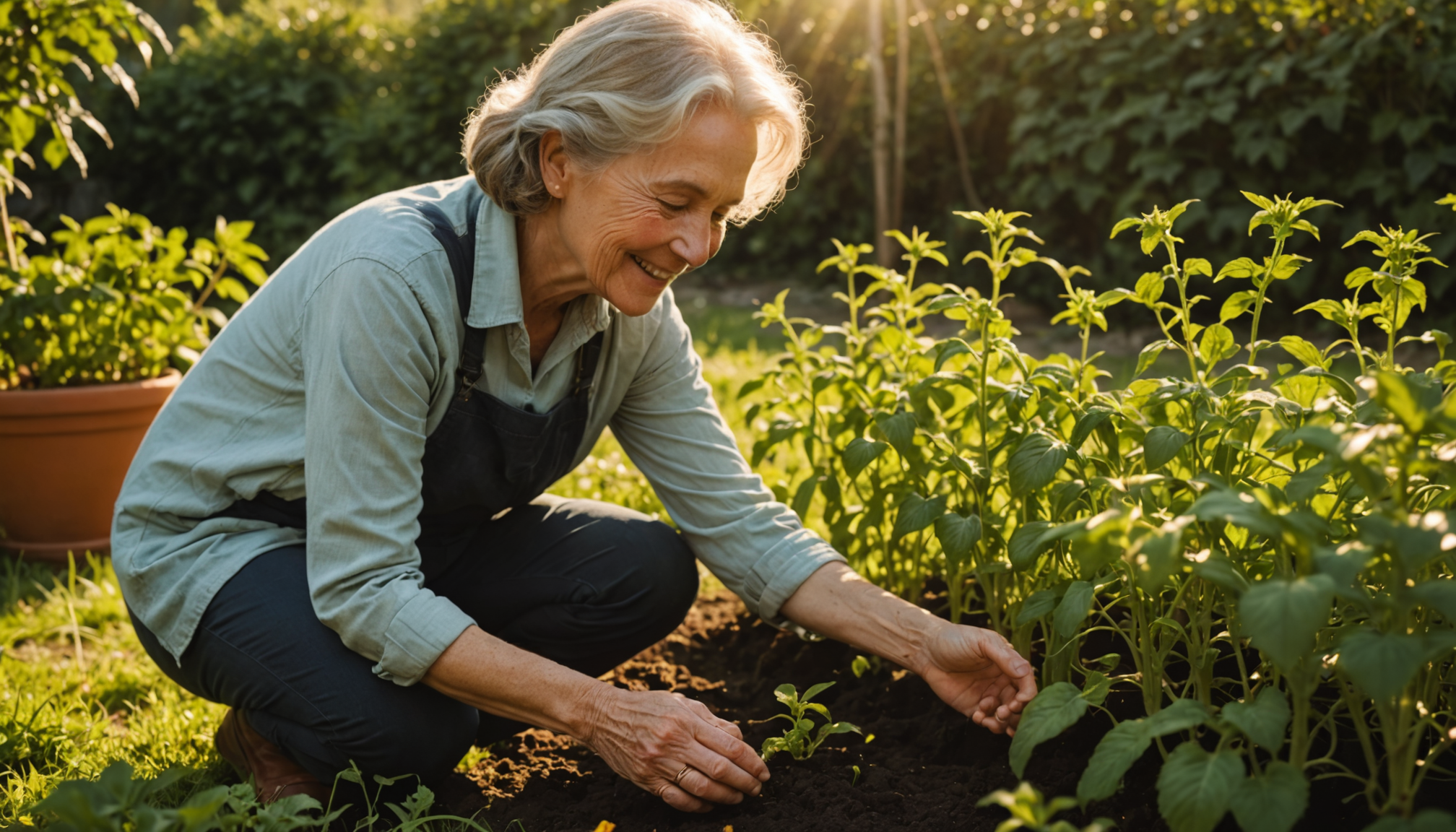
Tending to your vegetable garden offers a unique opportunity for mindfulness and emotional well-being. When you’re fully present in the garden, focusing on the texture of soil between your fingers or the gentle task of removing weeds, you’re practicing a form of meditation that reduces stress and anxiety. This mindful approach to cultivation creates a peaceful sanctuary where daily worries seem to melt away.
Studies have shown that gardening significantly lowers cortisol levels – our body’s primary stress hormone. Just 30 minutes of peaceful garden work can lift your mood and create a sense of accomplishment. There’s something incredibly grounding about nurturing plants from seed to harvest, watching them respond to your care, and feeling connected to the natural world.
The garden becomes your personal wellness retreat, where you can process thoughts and emotions while engaging in productive activity. Many gardeners report that their vegetable patches serve as therapy spaces, helping them work through challenging times or simply providing a daily dose of joy and purpose.
Working in sync with nature’s rhythms helps develop patience and acceptance. Not every seed will sprout, and some plants may fail despite your best efforts. These experiences teach valuable life lessons about resilience and letting go. The slow, steady pace of plant growth encourages us to slow down too, counteracting the rushed pace of modern life.
Gardening also builds a sense of confidence and capability. As your skills grow and your harvests become more abundant, you’ll experience a deep sense of satisfaction. This boost in self-esteem often carries over into other areas of life, creating a positive cycle of personal growth and achievement. The garden becomes a place where you can see tangible results of your efforts, providing immediate feedback and long-term rewards.
Creating a mindful garden space can enhance these benefits. Set up a comfortable spot to rest and observe your plants. Add elements that engage your senses – fragrant herbs, colorful flowers between vegetables, or a small water feature. These touches transform your garden into a meditation space that nourishes both body and soul.
Nutrition from homegrown produce
Homegrown vegetables offer superior nutritional value compared to their store-bought counterparts, primarily because you can harvest them at peak ripeness. Fruits and vegetables begin losing nutrients immediately after harvest, so the ability to pick and eat them fresh from your garden ensures maximum nutritional benefits.
“He who grows his own food grows his own health.” – Traditional farming proverb
- Maximize nutrient retention through proper harvesting:
– Pick leafy greens in the early morning
– Harvest root vegetables when fully mature
– Store produce properly to maintain nutritional value - Enhance nutritional content through soil management:
– Add organic compost regularly
– Use natural minerals and amendments
– Practice crop rotation - Select nutrient-dense varieties:
– Choose heirloom tomatoes for higher lycopene
– Grow purple carrots for added anthocyanins
– Plant kale and Swiss chard for maximum minerals
Fresh vegetables from your garden contain higher levels of essential nutrients like vitamin C, vitamin A, and folate compared to supermarket produce. For example, homegrown tomatoes can have up to three times more vitamin C than store-bought ones. Personal wellness through vegetable cultivation extends beyond just growing food – it’s about creating a sustainable source of premium nutrition right in your backyard.
Studies show that organically grown vegetables in home gardens typically contain higher levels of antioxidants and beneficial compounds. This is largely due to natural growing conditions and the absence of commercial farming practices that might prioritize appearance over nutritional content. When you grow your own food, you can also control the use of pesticides and other chemicals, ensuring the purest possible nutrition for your family.
Sustainable living through vegetable cultivation
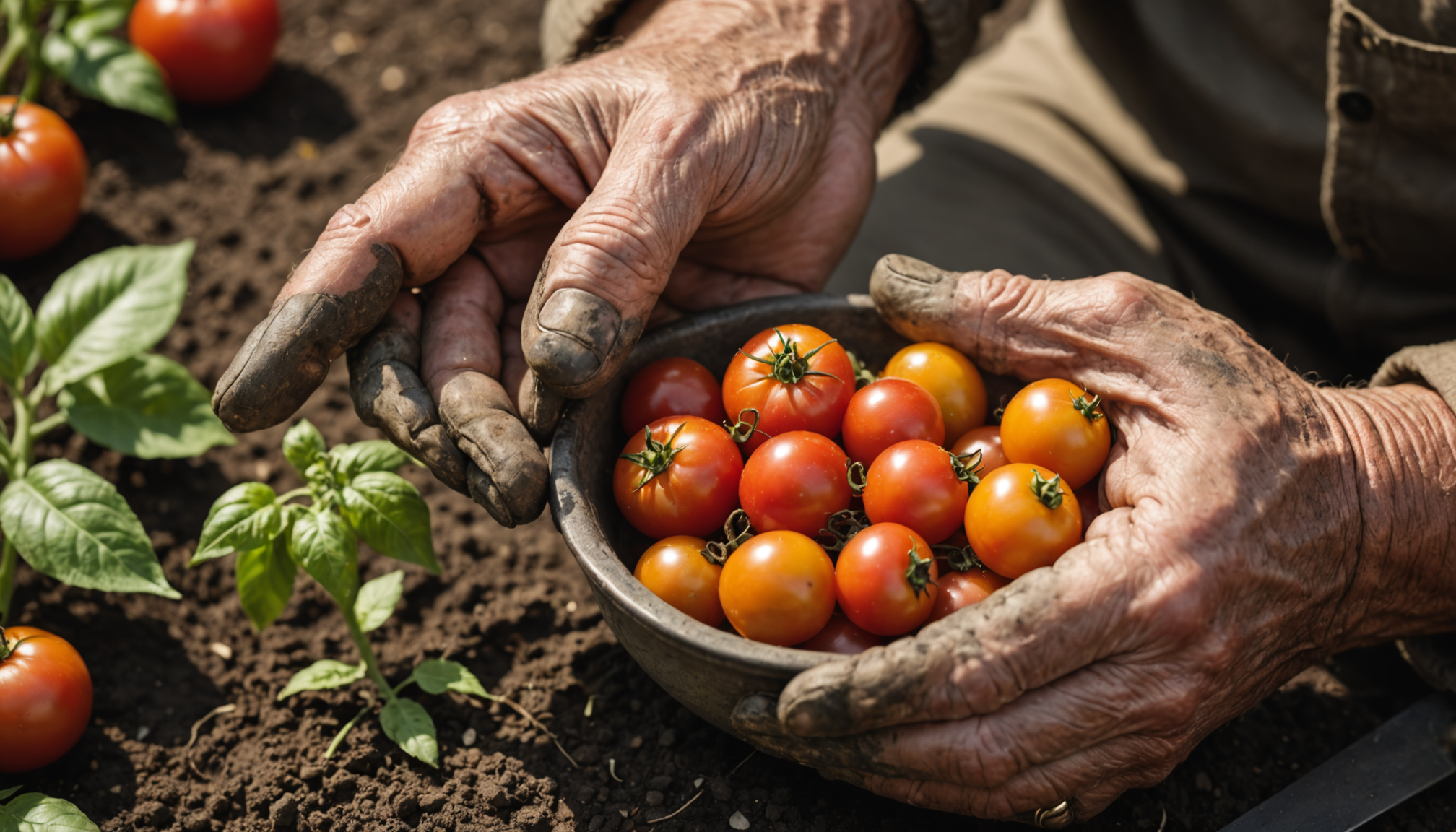 Growing your own food creates a powerful ripple effect that extends far beyond your garden fence. By cultivating vegetables at home, you significantly reduce your carbon footprint – eliminating packaging waste, transportation emissions, and the environmental impact of commercial agriculture. Each square foot of garden space transforms into a microhabitat supporting essential pollinators and beneficial insects.
Composting kitchen scraps and garden waste creates a closed-loop system that turns potential landfill material into black gold for your soil. This practice alone can reduce household waste by up to 30%. Collecting rainwater for irrigation conserves precious water resources, while mulching with organic materials improves soil health and reduces water evaporation.
Seed saving from your strongest plants helps preserve genetic diversity and develops varieties specifically adapted to your local climate. This age-old practice ensures food security and reduces dependence on commercial seed suppliers. Growing heritage varieties keeps traditional cultivars alive, protecting biodiversity for future generations.
Home vegetable cultivation dramatically shortens the food supply chain, reducing reliance on fossil fuels for transportation and storage. A typical meal in North America travels over 1,500 miles from farm to plate – your garden-to-table distance is measured in steps. By growing even 20% of your own produce, you create meaningful environmental impact.
Natural pest management methods in your garden support beneficial insects and birds, creating a balanced ecosystem that regulates itself. Companion planting, crop rotation, and diverse plantings eliminate the need for chemical pesticides while building soil fertility naturally. These practices enhance the garden’s resilience and productivity while protecting local water sources from agricultural runoff.
Indigenous growing techniques and permaculture principles can be incorporated into your garden design, maximizing space efficiency and minimizing resource use. Vertical growing systems, polycultures, and edible landscaping transform traditional yards into productive food forests that support both human and environmental health.
Your vegetable garden becomes a teaching tool for future generations, demonstrating sustainable living principles in action. Children who grow up understanding food production develop stronger connections to nature and make more environmentally conscious choices throughout their lives. This ripple effect multiplies as knowledge and experience are shared within communities.